
Dealing with Gas and Constipation After Colostomy Surgery
People with a colostomy may experience gas and constipation after surgery. Fortunately, simple diet and lifestyle changes can help manage both.
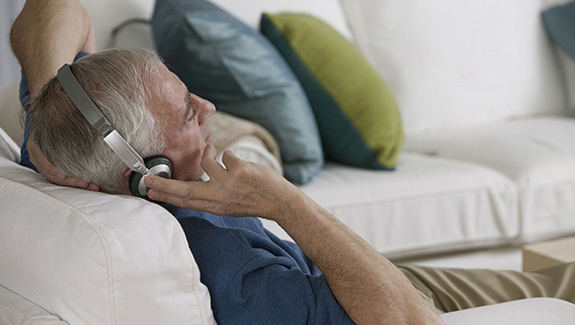
Learn how to deal with gas and constipation after colostomy surgery.
Gas and constipation are two common issues that you may experience after your colostomy surgery. Below are some practical tips.
Understanding Gas
As your bowel recovers and begins to function again after surgery, you may notice gas in your pouch. The amount can vary from person to person. If you experienced excessive gas before surgery, you may continue to experience it afterward.
Gas can be influenced by the foods you eat, as well as by swallowing air. Activities such as drinking carbonated beverages, smoking, chewing gum, or eating with your mouth open can increase the amount of air you swallow.
If gas is a concern, consider using a pouch with a filter. These filters allow gas to escape while helping to control odour and reduce ballooning. They are most effective with more formed output but can still be used with other consistencies.
You may also find that certain foods increase gas production. This varies from person to person, so it’s helpful to introduce foods gradually, observe how your body responds, and adjust accordingly.
Managing Constipation
Constipation can also occur after colostomy formation, and this may have been an issue prior to your surgery. Certain medications, such as some pain relievers and antacids, can contribute to constipation.
Other common causes include a low-fibre diet and inadequate fluid intake. In many cases, increasing your fluid intake, adjusting fibre levels, or using a mild laxative (if advised) can help relieve symptoms.
As with gas, some foods may increase the risk of constipation. Individual responses vary, so it’s best to try small amounts, monitor your tolerance, and adjust as needed. Your healthcare professional can provide tailored advice based on your surgery and individual needs.
When to Seek Advice
If dietary and lifestyle changes do not improve constipation or if you experience severe or persistent gas, contact your healthcare professional for further guidance.


